


A visual chart or spreadsheet of your novel can help you understand the larger structure. Try to express your story in a simple outline, or just using shapes and arrows. Write a summary of your novel’s structure. “In the first act . . .”
Now check your diagram against your actual writing. Is there an insignificant scene that’s fifty pages long for some reason? Is there a major character that just walks offstage for no reason? Is your first act 2/3 of the story; does the rest feel rushed?
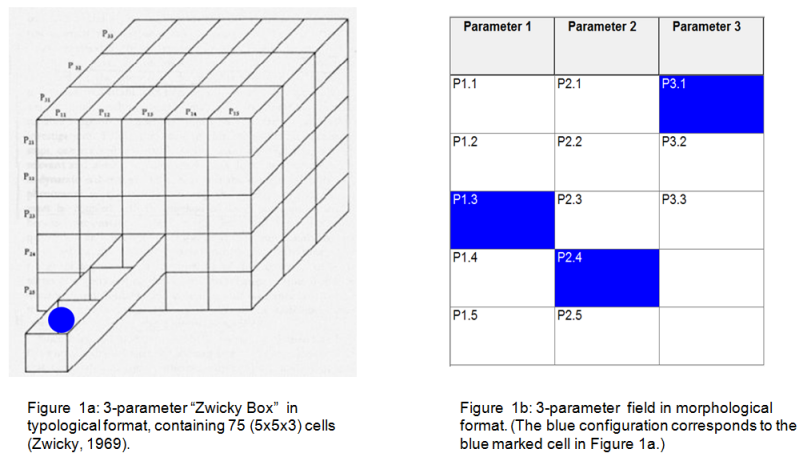
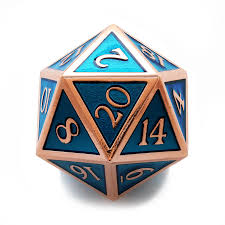
Lucy Ives wrote this Zwicky Box exercise as a way of not only unifying themes but reorganizing them. It could be an inspirational exercise, but if you fill in a Zwicky Box related to your novel it could help you find new progressions for your characters. If you make it 4×5 you can choose themes by rolling a D20!
Zwicky Box
This method is based on a matrixial tool identified by the Bulgarian Swiss astrophysicist Fritz Zwicky (who, as it so happens, discovered dark matter). You can use the method for various things, but let’s imagine it as a tool for writing a story.
Across the top of your matrix/spreadsheet, write a series of categories, such as “Location,” “Problem,” “Loss,” “People,” “Genre,” “Weather,” and so on. These will be the titles of your columns. Now, fill each of the columns out with various contents. If I’m filling out the “Location” column, I might try things like:
at home
on a cloud
Philadelphia
Urmia, Iran
fifty years into the future
Manhattan in the nineties
And so on.
After I have populated all my columns, I will create a series of different combinations, taking one item from each column to produce a series of qualities for a story, one that takes place in Philadelphia, includes a global health crisis, is about divorce, concerns artists, is written as a picaresque, and features a meteor shower, for example.
Continue to explore combinations until you find one that feels particularly impossible or strange and unexpected or vivid to you.
Write this story.

Leave a Reply